
Courtesy of KIRN 670 AM
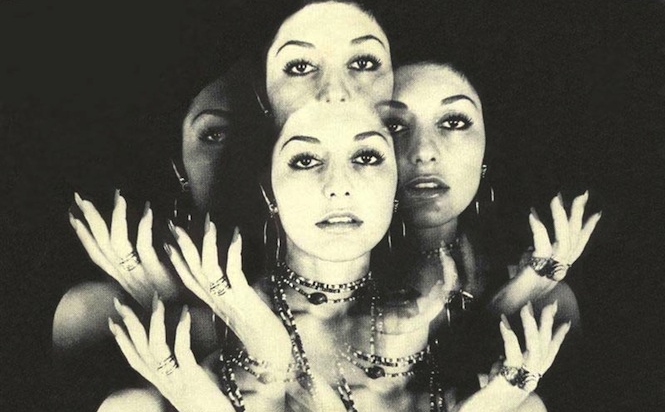
The following songs represent a treasure trove of tracks mostly hidden from the world, disappearing following the Ayatollah’s strict control over the dissemination of Western culture in Iran. The 70s in Iran before the Revolution was an era where pop and psychedelia artists ruled the country. Middle Eastern and Western sensibilities blended to create this hauntingly beautiful genre of Eastern funk that makes this compilation a feast for the ears and soul. Global funk aficionados can spend endless hours gorging on the beautiful sounds of Iranian psychedelia.
Zendooni is the famous compilation that features funk psychedelia & pop from the Iranian pre-revolution generation. The interesting mix of folk and psychedelia started in the 70s with the introduction of electronic instruments: it led to an ethereal Iranian interpretation of disco. Following the revolution and the censorship that came with it, a fleeting “golden age” of Iranian pop was silenced. Pop was originally introduced in Iran during the Qajar dynasty, with the invention of radio and the many trips of the Qajar kings to Europe, especially to France. The Qajar kings were very fond of European culture, influencing the increased popularity of Western music in Iran. Following the revolution in 1979, many of the Iranian psychedelic artists of the golden age emigrated to places such as Los Angeles and London where they could continue their work.
Pooneh’s Hamishe Tanha is a personal favorite of mine. Bat For Lashes’ Natasha Khan and the band TOY collaborated together to create their side-project SEXWITCH, where they cover several psych-folk Iranian songs including Pooneh’s track. The formidable intro of the song mixes the imagery of old western cowboy movies with the mystical, sorcerer-like atmosphere of Fleetwood Mac’s Black Magic Woman.
Googoosh, born as Faegheh Aatashin, is seen as the Iranian Aretha Franklin of the 70s. The track Gharibe Ashena has bossa nova hints teamed with melodic Persian and a strong pop sensibility. Appropriately, she has done her own cover of Aretha Franklin’s Respect. Googoosh was also seen as the Madonna of Iran, having starred in many Iranian movies, such as Hamsafar (1975).
One is simply overwhelmed when you first listen to Soul Raga by Mehrpooya. Abbas Mehrpooya was born in Tehran as a Renaissance man: poet, translator, actor, guitarist, multi-musician, and he was also responsible for bringing the sitar into popular music in Iran. He famously used natural elements as instruments, such as bones or pots, which conjures up an incredible image.
This treasure trove of pre-revolutionary Iranian music is not only magnificent to listen to, but it also represents a fascinating time in Iranian history. It represents a period of contrasts: cultural innovation clashing with censorship; cultural synthesis against purism. The psychedelic vinyls that were miraculously salvaged following the revolution provide us with an endless source of intriguing and alluring nostalgia, acting as a prime example of how a cultural synthesis can create something unimaginably beautiful.