

The 70s also marked a shift in British popular culture. With color broadcasting becoming standard in the late 1960s, television became the dominant form of media. The centralization of media was driven by the existence of only three channels operating, and at that, if you were able to catch them on the air, as the three-day week limited some to broadcasting during limited hours. At the same time, gender roles were evolving. British feminist movements had gained enough momentum to influence legislation around discrimination and equal pay. But most importantly, a vibrant club culture was emerging. With youth unemployment at a record high, many young people were left with nothing to do but dance their sorrows away. Specialized DJ nights cultivated regular crowds around particular genres of music and aesthetics.
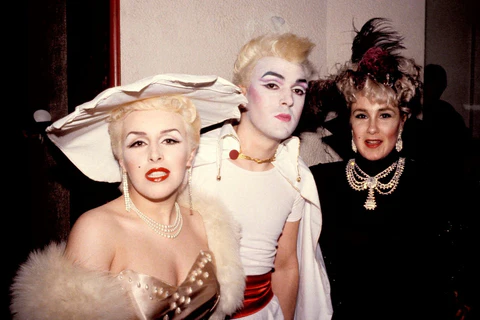
Image courtesy of Show Studio
Billy’s was one such club. It’s Tuesday “Bowie Night” drew a dedicated and extravagant crowd inspired by the theatrics and music of Bowie (among other groups that were played at the sets). Attendees drew great inspiration from his style, fashioning their own elaborate costumes and caking on dramatic makeup, in a style completely different from the stripped-down punk just outside the door. Young creatives permeated the scene, from filmmakers to designers to singers, the crowd included future stars like Boy George.
Eventually, Bowie night outgrew its original venue, moving to the Blitz, a more spacious nightclub decked out in 1930s WWII-era propaganda posters. Fashion became an increasingly more important element of the nights, with prospective attendees only being allowed in if they had “the look”. As for what that look actually was, there was no single answer. Clubgoers arrived in a variety of fashions, inspired by 30s Hollywood starlets, Victorian silhouettes, cabaret, and even pirates. There seemed to be only one rule: Extravagance. Unlike the punk’s rejection of excess, the “Blitz Kids” bathed in it, with their style bordering on performance art.
Futurism was a defining element. Emerging groups prioritized synthesizers and drum machines over physical instruments. Groups like Visage, Ultravox, Duran Duran, and Culture Club drew inspiration from the music that was commonly played at the Bowie nights, equally citing Kraftwerk and Roxy Music in their escapist, danceable music fit for a night at the Blitz. Even Duran Duran’s debut single “Planet Earth” referenced the term “New Romantic” in its lyrics.
The coining of the term “New Romantic” actually came from none other than a journalist, Betty Page, in an interview with the Blitz’s house band, Spandau Ballet. What began as a niche club night at Billy’s became a movement. Bowie himself visited the club in 1980, selecting a lucky few to star in the music video for his song “Ashes to Ashes”. Various celebrities, including Mick Jagger and Michael Jackson, even tried their luck at entering the club. The press picked up on the growing popularity of youth subculture and interest in fashion and music, leading to the founding of magazines targeted at this audience, including i-D, Blitz, and The Face.
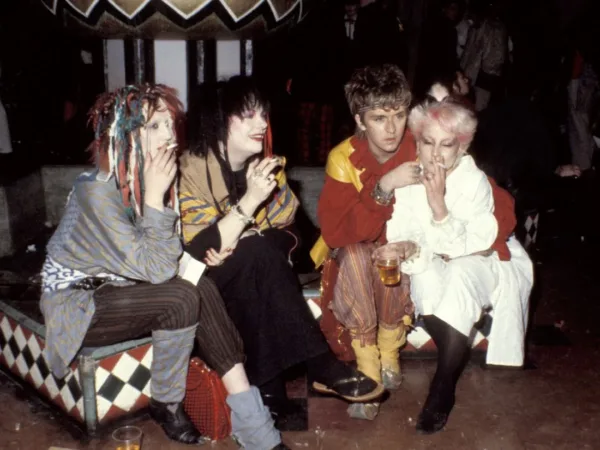
Image courtesy of Ian Drummond Vintage
The launch of MTV in 1981 further accelerated the publicization of the New Romantic movement. Now, fashion and music were inseparable, being carried into the living rooms of millions of Americans every day. The futuristic synth-pop of the so-called “Second British Invasion” was led by acts like Duran Duran, A Flock of Seagulls, and Culture Club, forever changing mainstream pop production and visuals.
This growing influence over mainstream culture was troublesome for the original attendees of the Blitz. The style that had once been defined by not being able to be defined was beginning to be turned into a solidified, marketable style, marked by pirate collars and colorful eyeshadow. The group Adam and the Ants sold branded jackets in the back of compilation albums. They even modeled for high fashion, with Vivienne Westwood selecting the band to showcase her “pirate collection” inspired by the movement. Even royalty couldn’t escape the influence of New Romantics, with Princess Diana sporting a ruffly, romantic collar on her wedding dress.
What once was a dynamic, constantly evolving style and culture eventually became pigeonholed into a recognizable box by the mid-1980s. Live Aid is said to mark both a peak for the scene and the end of the New Romantic movement, with many defining groups sharing the stage: Adam Ant, Duran Duran, Spandau Ballet, and even Boy George. In the years leading up to it, numerous artists had already shed the synth-heavy sound that drove them to the top of the charts in favor of live instrumentation and further commercial appeal. Soon, indie rock acts like the Smiths would dominate the “alternative” music of the late 80s and early 90s.
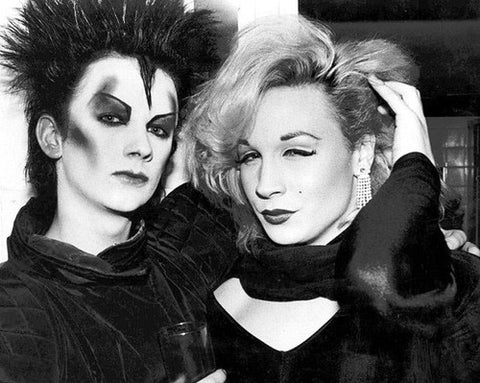
Image courtesy of Shapers of the 80s
Even in their country’s darkest moments, the individuals who made up the New Romantic movement proved that hope can come from creating something new. They built their own alternate world in a basement nightclub and lived in it until it burst out with purple eyeliner and teased hair across televisions, radios, and magazines all over the world. And for a few years, the future looked exactly as they’d imagined it.
Hear some tracks from the New Romantics era here.